ServicesMold Remediation
Mold Remediation in Richmond
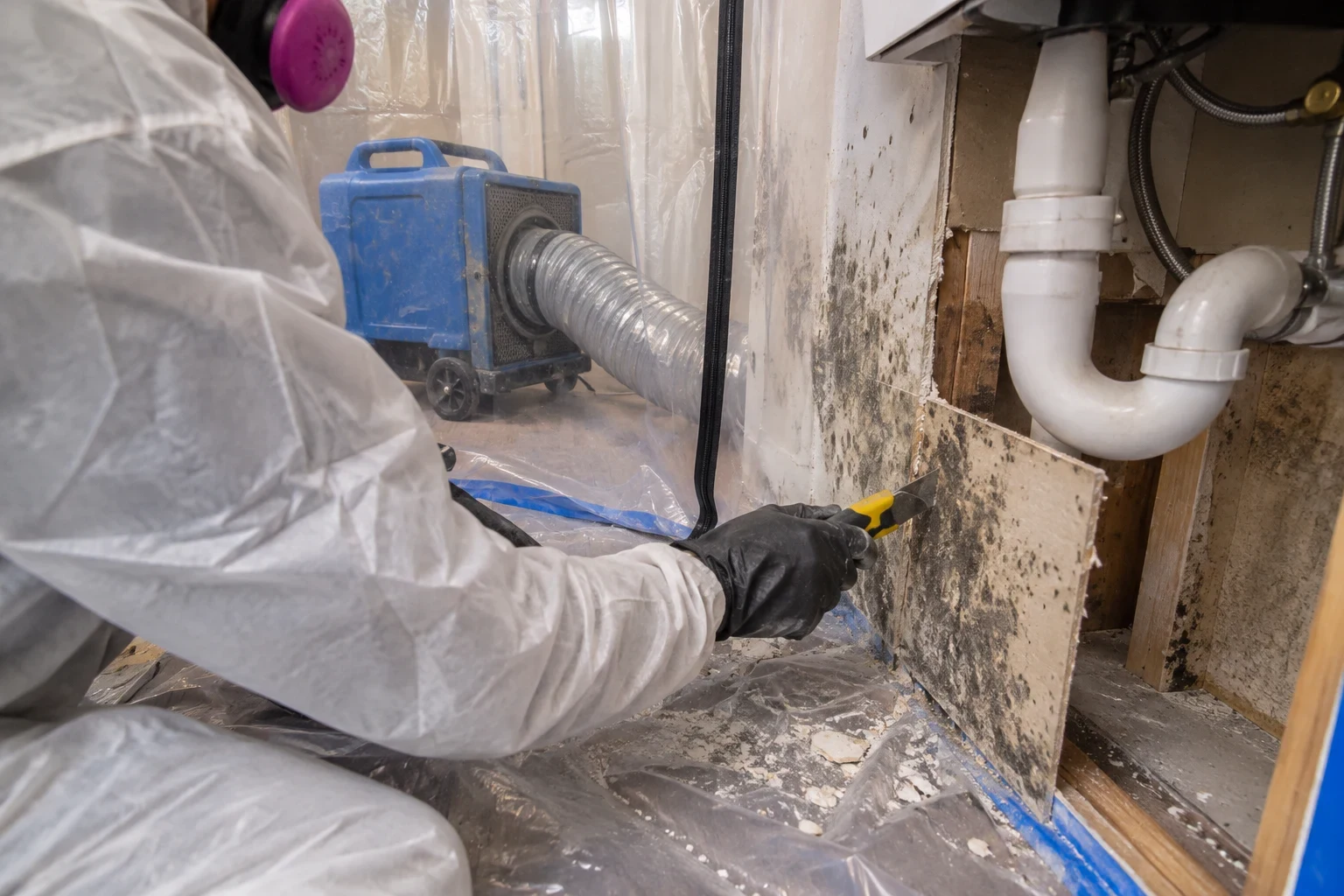
Mold grows where water sits too long. We find the wet spot feeding it, seal off the area, remove what can't be cleaned and dry the rest. The same small crew handles your home from the first look to the last check.
What mold remediation actually means
Remediation is not spraying a cleaner on a stain. Mold roots into drywall, insulation and carpet pad. Wiping the surface leaves the growth behind, and it comes back as soon as the area gets damp again.
Our job is to stop the moisture, take out the materials mold has ruined, clean the framing and surfaces that can be saved, and dry everything to normal levels. Our team is IICRC certified, and we follow that training on containment and removal so spores don't get spread to clean rooms.
We're a small crew. The person who inspects your home is on the job when we open the walls and when we sign off. You won't have to explain the problem twice.
What the work includes
- 01
Moisture mapping
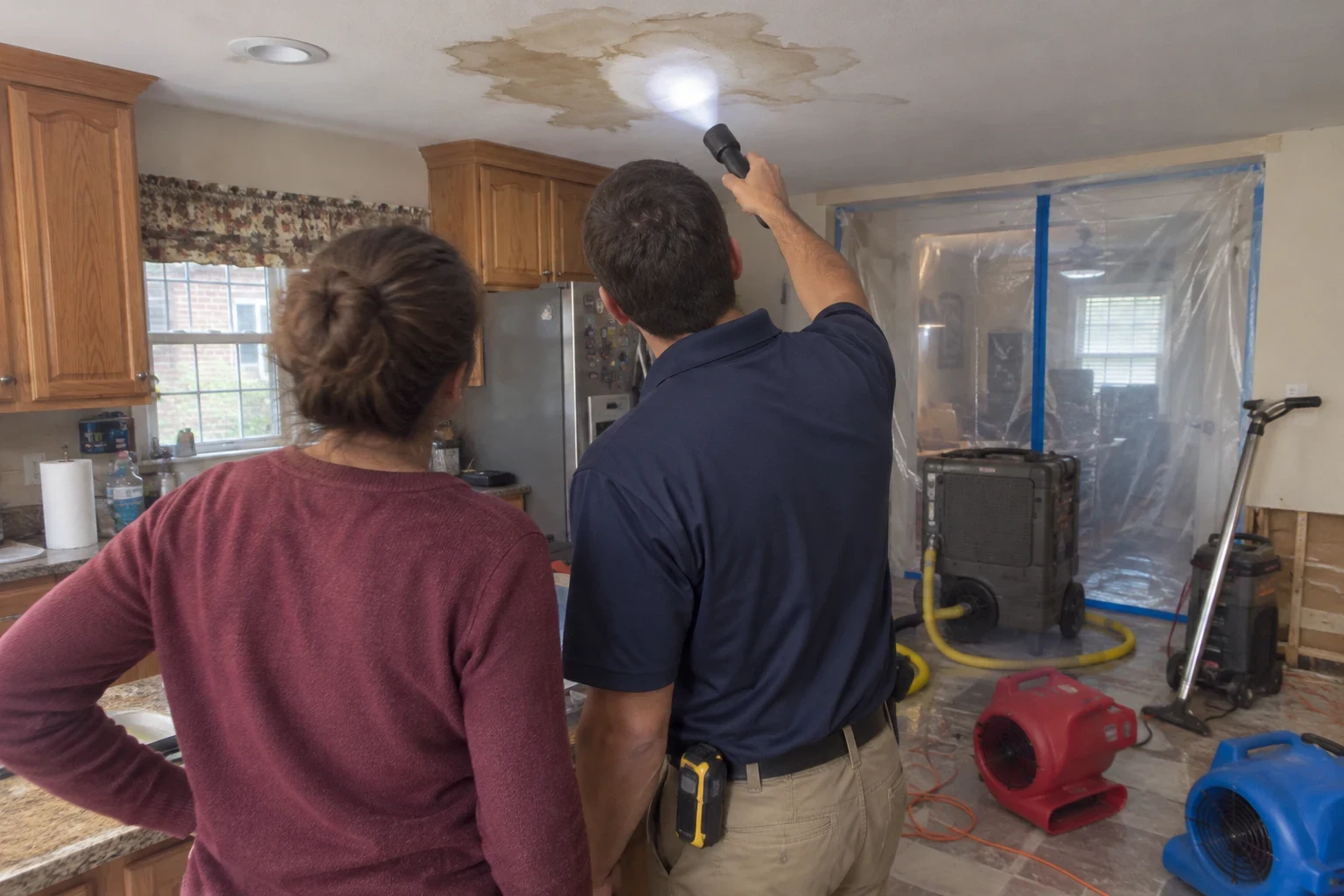
We use moisture meters and a thermal camera to find where water is getting in. Mold is a symptom. If we don't find the source, the job doesn't last.
- 02
Containment
We seal the work area with plastic sheeting and run air scrubbers with HEPA filters. That keeps spores in the work zone and out of the rest of your home.
- 03
Removal of damaged materials
Moldy drywall, insulation, carpet pad and ceiling tile get cut out, bagged and hauled away. We take out only what's affected and show you photos of what we found.
- 04
Cleaning what can be saved
Studs, joists and subfloor usually stay. We HEPA vacuum them, scrub the surfaces and apply an antimicrobial treatment.
- 05
Drying and final check
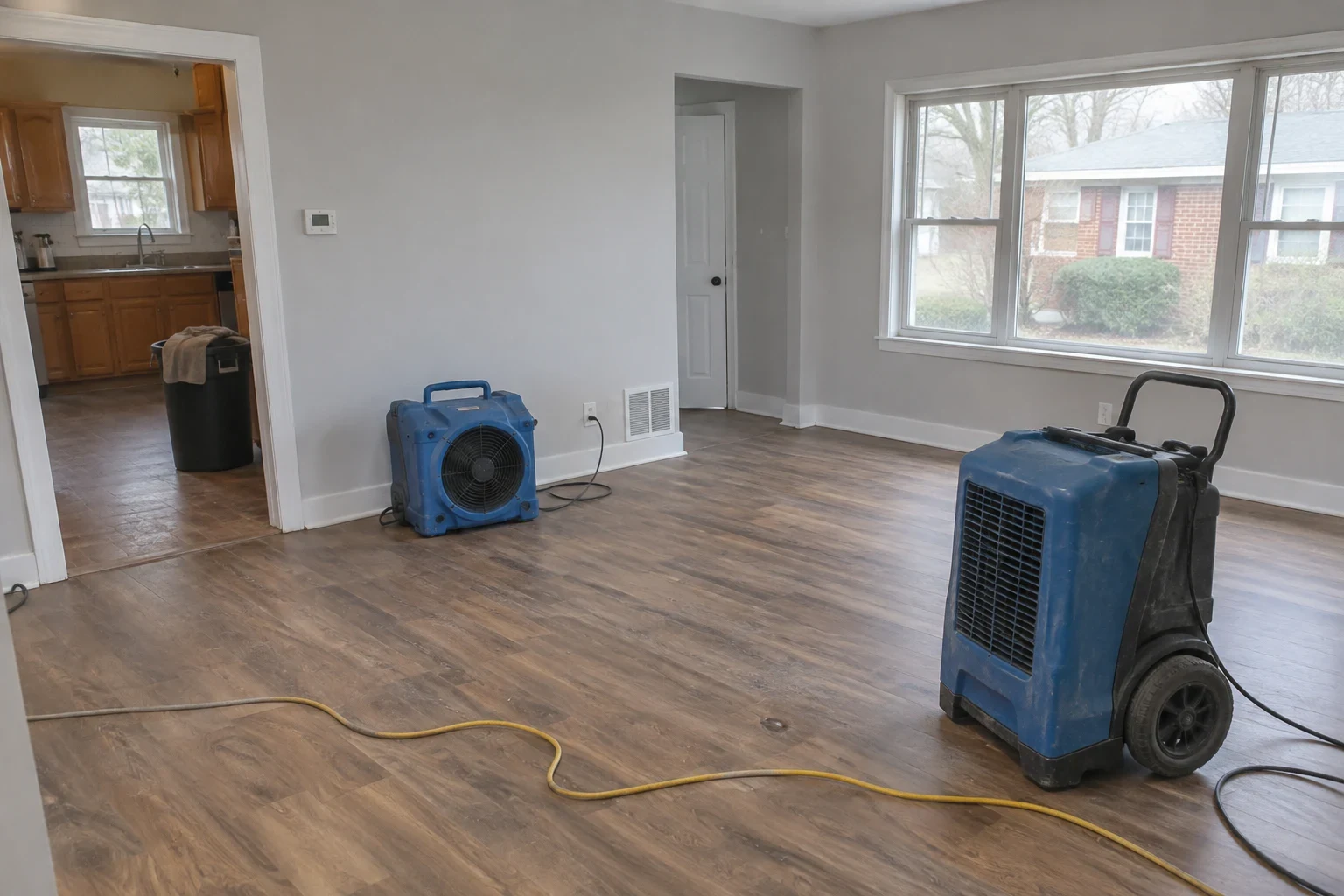
We dry the area with dehumidifiers and air movers, then take readings again before anything gets closed up. If walls or floors need to be put back, our Repairs and Rebuild work picks up from there.
Questions about Mold Remediation?
Call(804) 603-9078Signs you may have a mold problem
A musty smell that won't go away
An earthy, damp odor in a closet, basement or room is often the first clue. You can smell mold before you see it.
Spots on walls or baseboards
Gray, green or black specks that spread or come back after cleaning. Look low on walls near bathrooms, laundry rooms and exterior corners.
A leak that was never fully dried
Mold can start within a day or two on wet drywall. If a pipe, toilet or roof leak was mopped up but not dried out, the inside of the wall may still be wet.
Damp crawl space or basement
Richmond summers are long and humid, and that moisture collects under floors. Fuzzy growth on joists or wet insulation in a crawl space is worth a look.
Peeling paint or soft drywall
Bubbling paint, stained ceilings and drywall that feels soft mean water has been there for a while.
How a mold job runs
- 1
Free on-site inspection
We look at the visible growth, check moisture around it and find the likely source. You get a plain answer about what needs to come out and what doesn't.
- 2
Written plan and estimate
We write up the scope line by line, with the photos we took. If insurance is involved, we explain what the adjuster will want to see.
- 3
Contain and remove
On work day we set up containment first, then remove damaged materials. We cover floors along the path out so nothing gets tracked through your home.
- 4
Clean, treat and dry
Framing gets cleaned and treated. Drying equipment runs until readings are back to normal, which usually takes a few days.
- 5
Final check and next steps
We take readings again and walk you through the area before we pull the plastic. Then we talk about rebuilding if walls or floors were opened.
What sets the price of a mold job
We can't give a fair number until we've seen the growth and found the water behind it. After the inspection you get a written estimate with each step listed on its own line. If we open a wall and the mold goes further than expected, we stop, show you, and talk it over before any added work.
- How much area is affected
- A small patch under a bathroom sink is a short job. A full basement wall is not. The bigger the area, the more plastic, removal and drying days it takes.
- What the mold is growing on
- Drywall and carpet pad cut out and bag quickly. Hardwood floors, cabinets and finished ceilings need slower, more careful work to remove or clean.
- How hard it is to reach
- Attics and crawl spaces are cramped and hot. Moving equipment in and debris out of those spaces adds hours.
- Where the water is coming from
- A dripping supply line, a roof leak and summer humidity each call for a different fix. Stopping the source is what keeps the mold from coming back, so it's part of the plan.
- Putting the room back together
- When drywall, flooring or trim comes out, rebuilding it is extra. We list that as its own section of the estimate so you can see the removal and the rebuild side by side.
Mold remediation questions
Can I just clean it with bleach?
On a hard, sealed surface like tile, a small spot can be cleaned. On drywall or wood, bleach mostly bleaches the color and leaves the roots. The water in it can even feed new growth. If the patch is bigger than a few square feet or keeps coming back, have it looked at.
Do I need mold testing first?
Not always. If we can see the growth and find the moisture, the plan is usually clear. Testing makes sense when you smell mold but can't find it, or when you need a record for a sale or a claim. We'll tell you honestly whether it's worth paying for.
Will my insurance cover mold removal?
It often depends on the cause. Mold from a sudden pipe burst is treated differently than mold from a slow leak or humidity. We work with most major insurance companies and can give your adjuster photos and moisture readings, but the adjuster makes the coverage call.
Do we have to leave the house?
Most families stay home. The work area is sealed off and under filtered air, so the rest of the house stays usable. If the growth is widespread or someone has breathing problems, we'll talk through whether a few days away makes sense.
How do I keep it from coming back?
Keep things dry. That means fixing the leak, venting bathrooms and dryers outside, and keeping indoor humidity in check during summer. If the area was soaked, our Drying and Dehumidifying work makes sure it's fully dry before anything gets closed back up.
How fast can you get here if there's active water?
If water is still coming in, we answer around the clock. We're on site in 60 mins or less, and we start by stopping the water with Water Extraction before mold gets a chance to start.
Find out what's behind the smell
We'll come look, check the moisture and tell you straight what needs to happen. The same people who inspect will do the work.