What Are the First Signs of Sewer Gas Poisoning in a Richmond Home?
Sewer gas gives you warnings early. Here is how to read them and what to do when your home smells wrong.
What are the first signs of sewer gas poisoning?
The first signs of sewer gas poisoning are usually a rotten-egg smell, headache, nausea, dizziness and irritated eyes or throat that ease once you step outside. Tiredness and trouble focusing can follow. If anyone feels confused, faint or short of breath, get everyone out and call 911. Leave first, look for the source later.
What sewer gas is and why it makes you feel sick
Sewer gas is a mix of gases that builds up as waste breaks down in drain lines and sewers. The parts that matter most in a house are hydrogen sulfide, ammonia and methane. Hydrogen sulfide is the one that smells like rotten eggs, and it is the one that causes most of the symptoms people notice.
At low levels it irritates your eyes, nose and throat and gives you a headache. At higher levels it affects your breathing and your nervous system. Methane does not poison you the same way, but it pushes out oxygen and it can burn. That is why a strong, steady sewer smell inside your home is never something to just air out and forget.
Early symptoms to watch for
Most people feel the first signs in the room closest to the source, often a basement, laundry room or little-used bathroom. The pattern is the giveaway. You feel worse inside and better after some fresh air.
Watch for these:
- A rotten-egg or sewage smell, especially near drains or the floor
- Headache that starts or gets worse at home
- Nausea, upset stomach or loss of appetite
- Dizziness or feeling lightheaded
- Burning or watery eyes, sore throat, cough
- Tiredness, poor sleep or trouble concentrating
When the smell fades but the risk does not
Here is the tricky part. Hydrogen sulfide can dull your sense of smell. After a while in a room with a higher level, you may stop noticing the odor even though the gas is still there. A smell that suddenly goes away is not proof the problem fixed itself.
Treat it as an emergency if anyone is confused, very drowsy, short of breath, has chest pain or passes out. Get everyone out, pets included, and call 911 from outside. Do not flip light switches or use anything that could spark if the smell is strong, since methane can ignite. If symptoms are mild and clear up outside, still call your doctor or Poison Control for advice, and keep people out of that part of the house until the source is found.
A standard carbon monoxide alarm will not warn you about sewer gas. It measures a different gas.
Where sewer gas comes from in a house
Every drain has a trap, the curved pipe that holds a little water to block gas from coming back up. Most sewer gas problems start when that seal fails or the drain system is damaged. Many homes around Richmond have older cast iron drain lines and basement floor drains, and both are common trouble spots.
The usual causes:
- A dry trap in a floor drain, guest shower or utility sink that rarely gets used
- A worn wax ring under a toilet, often with a rocking toilet or stained floor
- A blocked or cracked plumbing vent
- A cracked drain pipe behind a wall or under the slab
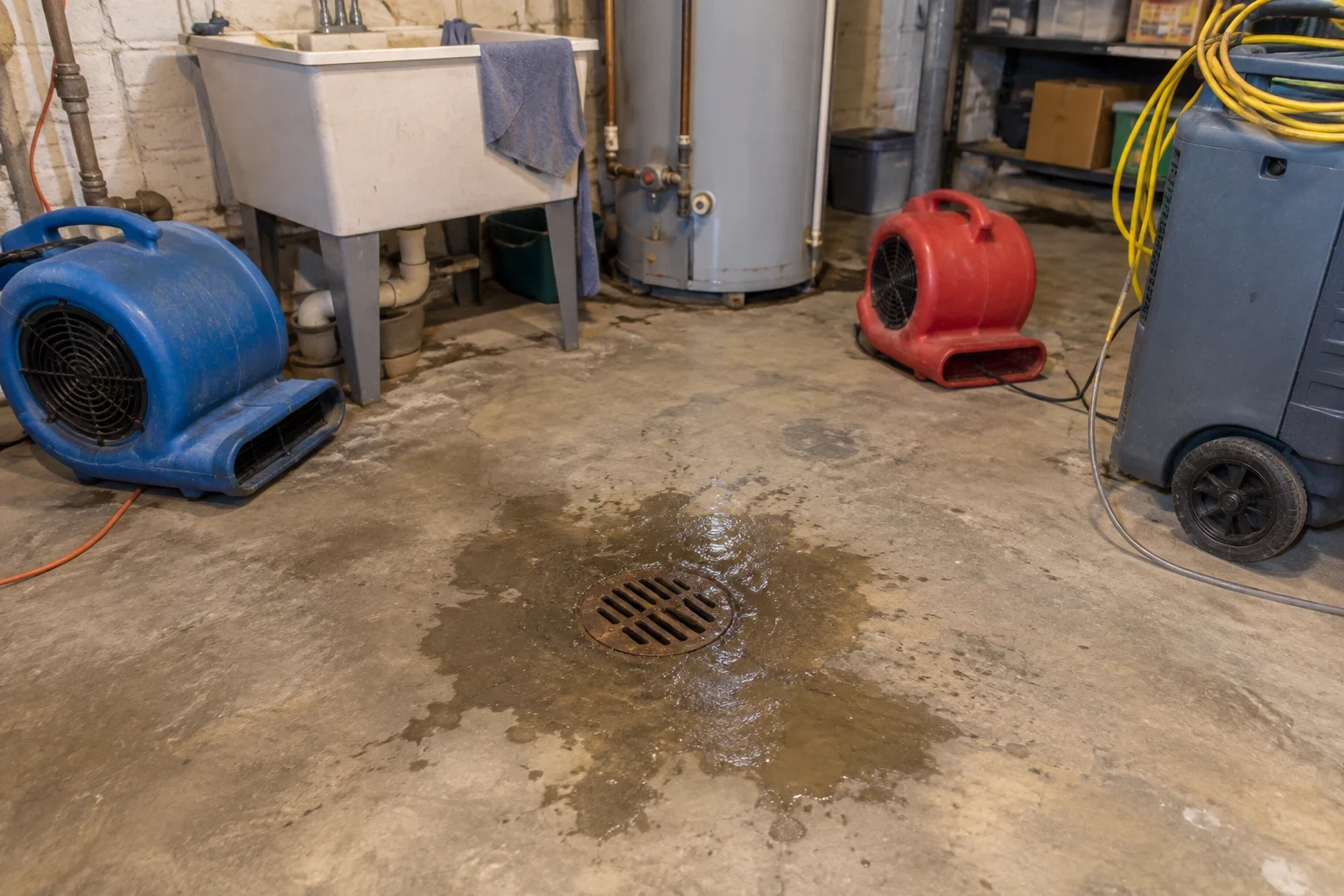
- A sewage backup, where waste has come up through a drain and is sitting in your home
What to do after a sewage backup
A dry trap is a simple fix. Run water down the drain for a minute and see if the smell clears. Broken vents, wax rings and cracked pipes need a plumber. But if sewage has actually come into your home, the gas is only part of the problem. Wet drywall, carpet and subfloor hold contaminated water, and the smell and bacteria stay until those materials are removed and the area is cleaned and dried.
That is where our sewage cleanup work comes in. We are IICRC certified, we are on site in 60 mins or less, and we work with most major insurance companies. We are a small crew, so the people who show up to pull out wet materials are the same people who disinfect, dry and check the readings at the end. You will not have to explain your basement to a new face every day.
Until help arrives, stay out of standing sewage, keep kids and pets away and open windows only if it is safe to do so.
More questions about sewer gas
Something not covered here? (804) 603-9078
Can sewer gas make pets sick?
Yes. Pets are close to the floor where gas and sewage collect, and they may act sluggish, drool or vomit. Move them out with your family.
Will a candle or air freshener take care of the smell?
No. It only covers the odor while the gas keeps coming in. An open flame near a strong sewer smell is also a bad idea because methane can burn.
Is sewer gas worse in summer?
It can be. Heat speeds up how fast waste breaks down, and heavy summer storms can push water back through floor drains in older homes. Basements with unused drains are worth checking after a dry spell.
Do I need to leave my home during sewage cleanup?
It depends on how much of your home is affected. We keep the work area sealed off, and we will tell you plainly if anyone with asthma, a weak immune system or a new baby should stay elsewhere for a few days.
Sewage in your home? We can be there fast.
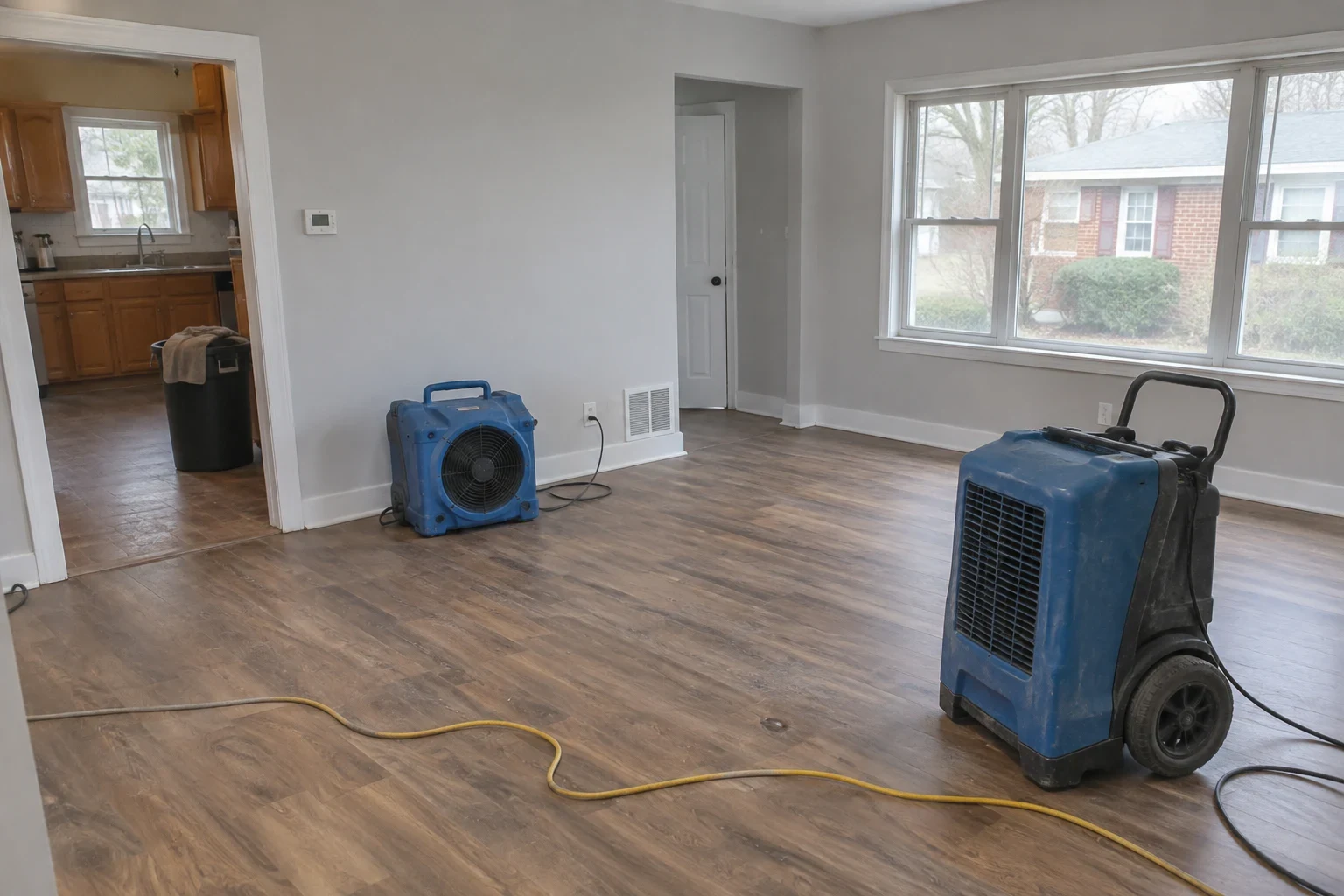
Call and tell us what you are seeing. We send our crew for emergency water damage response, on site in 60 mins or less, with a free on-site inspection so you know what is wet, what has to go and what comes next.